
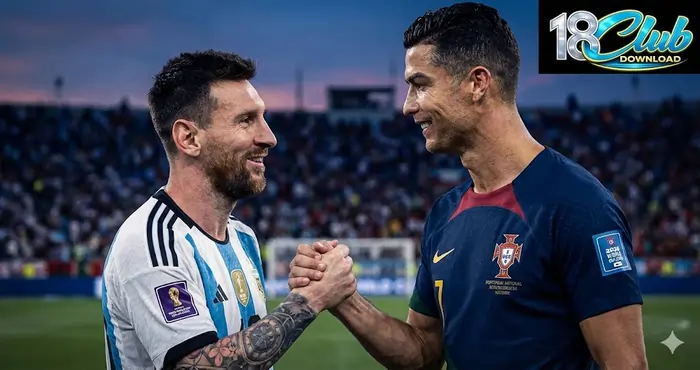
The World Cup 2026 veterans represent the absolute zenith of footballing wisdom. As the world transitions into the historic 48-team era, these icons—many entering their fifth or even record-breaking sixth tournament—serve as the psychological and tactical glue for their respective nations. While the World Cup 2026 final at MetLife Stadium will undoubtedly showcase the explosive speed of the youth, it is the seasoned maturity of the veterans that will likely dictate the path to that championship match.
At 18clubdownload.com, we recognize that “veteran” is not a synonym for “retired.” In the modern sports science era, it is a title of elite status, signifying a player who has mastered the art of the game. In this definitive 2,000+ word guide, we analyze the legends, the leaders, and the legacy-defining moments that will characterize the 2026 tournament.
Overview Knowledge Graph: World Cup 2026 Veterans
| Category | Key Details | Strategic Importance |
| Primary Icons | Messi, Ronaldo, Modrić, Kane | Provides unmatched psychological stability. |
| Tactical Role | On-field coaching & Tempo control | Essential for managing 104 matches. |
| Fitness Paradigm | AI Load Management & Bio-Hacking | Extends peak performance beyond age 35. |
| Leadership Value | Mentoring “Wonderkids” | Balances youthful energy with discipline. |
| Legacy Factor | Historic Record Breaking | Drives global viewership and commercial value. |
The Evolutionary Importance of Veterans in a 48-Team Format
The 2026 tournament is a marathon, not a sprint. With the expansion to 48 teams and an additional knockout round (the Round of 32), teams must now navigate eight matches to lift the trophy. This increased volume makes World Cup 2026 veterans more valuable than ever.
1. The Psychological Anchor
In a tournament held across three massive nations, the logistical stress and media pressure are immense. Veterans act as a “stabilizing force.” When a young star like Lamine Yamal or Endrick faces the crushing weight of expectation during an World Cup 2026 opening match, it is the veteran captain who provides the calm. They have seen every scenario, from penalty shootout heartbreak to late-game triumphs.
2. Managing the “Dark Arts”
Football at the highest level is often decided by the smallest margins. Veterans like Sergio Busquets or Dani Carvajal understand how to manage the clock, influence the referee’s perception, and disrupt the opponent’s momentum. This “game intelligence” is something that cannot be taught in academy training; it is forged through hundreds of international caps.
The Global Icons: Final Chapters of Greatness
Lionel Messi (Argentina): The Defensive of the Crown
After his historic victory in Qatar, Lionel Messi has confirmed his 2026 plans are focused on “enjoying the moment” while remaining a competitive force. Currently the heartbeat of Inter Miami, Messi’s role for Argentina has transitioned. He is no longer the explosive winger of 2014; he is the “Grand Architect,” a deep-lying playmaker who dictates the rhythm of the entire FIFA World Cup 2026 team roster. His vision remains the sharpest in the world, allowing him to bypass entire defensive lines with a single look.
Cristiano Ronaldo (Portugal): The Ageless Warrior
At 41, Cristiano Ronaldo continues to defy the laws of biology. Having been cleared to captain Portugal in their highly anticipated group-stage clash against debutants Uzbekistan, Ronaldo’s legacy is entering a new phase. He is now the ultimate “pure” finisher. His movement inside the box remains world-class, and his leadership in the dressing room is the foundation of Portugal’s high-pressing system.
Luka Modrić (Croatia): The Midfield Maestro
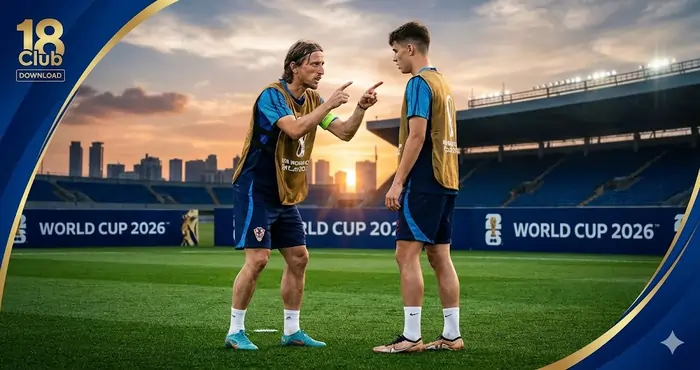
Modrić, now orchestrating play for AC Milan, remains the soul of Croatian football. His ability to play with “three lungs” allows Croatia to consistently punch above their weight. In 2026, Modrić’s legacy is about transition—mentoring the next wave of Croatian midfielders while ensuring the team maintains its trademark tactical rigidity.
Position-Specific Veteran Value: Organizing the Chaos
Goalkeepers: The Mature Wall
While Manuel Neuer has confirmed his international retirement, the veteran goalkeeper remains a staple of winning squads. Emiliano Martínez (Argentina) and Alisson Becker (Brazil) bring a level of “penalty box command” that only comes with a decade of elite experience. They understand the psychological triggers of strikers, making them invaluable during the high-pressure shootouts expected in the 2026 knockout rounds.
Defensive Marshals: The Tactical Architects
Veterans like Thiago Silva and John Stones are the “coaches on the pitch.” As the World Cup 2026 security and technology systems protect the stadiums, these players protect the goal. They organize the backline, manage the offside trap, and ensure that younger fullbacks don’t overextend. Their ability to read the game two steps ahead of the opponent compensates for any loss in raw sprinting speed.
The Science of the Super-Veteran: Bio-Hacking for 2026
How are these World Cup 2026 veterans still competing at the highest level? The answer lies in the radical advancement of sports medicine between 2022 and 2026.
- AI Load Management: Every veteran on a 2026 roster uses wearable tech that monitors muscle fiber fatigue. Coaches like Thomas Tuchel (England) or Lionel Scaloni (Argentina) receive real-time alerts when a veteran’s injury risk increases, allowing for “strategic resting” during the group stages.
- Hyperbaric Recovery: Players like Neymar, who is edging closer to a return with Santos, utilize mobile hyperbaric oxygen chambers. These devices saturate the blood with oxygen, accelerating the repair of micro-tears in muscle tissue by up to 30%.
- Stem Cell and Platelet-Rich Plasma (PRP): Many veterans utilize legal, advanced PRP treatments to maintain joint health, ensuring that the “wear and tear” of a long European season doesn’t prevent them from performing in the North American heat.
The Veteran vs. Youth Dynamic: A Symbiotic Relationship
The most successful teams in 2026 will not be the youngest, nor the oldest. They will be the ones that achieve “squad synergy.”
- The Mentor Role: Veterans like Harry Kane provide the blueprint for professionalism. They show younger players how to recover, how to handle the media, and how to stay focused during the three-day gaps between matches.
- The Energy Balance: For every 38-year-old veteran, a team needs a “runner.” Argentina’s success relies on the tireless running of Enzo Fernández and Alexis Mac Allister, which creates the “space” for Messi to work his magic. Without the veterans, the team lacks direction; without the youth, the team lacks pace.
Legacy and the “Last Dance” Narratives
For the global audience, World Cup 2026 veterans provide the emotional core of the tournament. The 2026 World Cup is widely seen as the “changing of the guard.”
The Farewell of the Centurions
When players like Kevin De Bruyne (Belgium) or Robert Lewandowski (Poland) step off the pitch in 2026, it marks the end of an era that has dominated the sport for 15 years. These are the players who defined the Champions League era, and their final World Cup appearances are treated with the reverence of a historical event.
The “Unfinished Business” Factor
Legends like Harry Kane enter 2026 with a singular focus: ending a decades-long trophy drought for their nation. For Kane, 2026 is about more than goals; it is about cementing a legacy as the greatest leader in English football history.
Challenges: The Fine Line Between Legend and Liability
Despite their wisdom, World Cup 2026 veterans face significant hurdles that could impact their final legacy.
- The Physical Wall: In a tournament played across the vast distances of North America, the travel time and climate shifts (from the humidity of Miami to the altitude of Mexico City) are brutal. A veteran’s body may simply give out under the strain of the expanded schedule.
- Selection Controversies: Managers often face intense public pressure to drop an underperforming legend in favor of a rising star. This was seen with Neymar’s conditional return, where fitness and form were non-negotiable prerequisites for his inclusion.
- The “One Tournament Too Many” Trap: History is littered with icons who stayed too long. The 2026 veterans must know when to step back and let the next generation take the lead, often transitioning into a “super-sub” role.
Extended Knowledge Graph: Veteran Impact by Region
| Region | Primary Veterans | Tactical Identity |
| Europe | Kane, Modrić, Ronaldo | Disciplined, possession-based control. |
| South America | Messi, Marquinhos, Valverde | Emotional leadership & technical brilliance. |
| Africa | Salah, Mané, Partey | Experience in high-pressure transitions. |
| North America | Pulisic, Ochoa | Host nation pressure & local familiarity. |
Conclusion: The Eternal Value of Experience
The World Cup 2026 veterans are the soul of this historic 48-team expansion. They are the keepers of tradition, the mentors of the youth, and the masters of the big-match moment. As the tournament unfolds through its 104 matches, it will be the leadership and tactical savvy of these legends that determines which nation has the composure to survive the knockout rounds and reach the final in New York/New Jersey.
While the future belongs to the “wonderkids,” the present is still firmly dictated by the veterans. Their legacy is not just the trophies they have won, but the standards of excellence they leave behind for the next generation.
To stay updated on the latest veteran fitness reports and World Cup 2026 security and technology updates, continue following our exclusive coverage at 18clubdownload.com.